






Concierge Insurance.
From Start to Claim™
Learn insurance one short video at a time. These lessons explain common coverage questions, policy terms, claims situations, and practical ways to protect your home, autos, business, and family.
What are the two basic types of life insurance? Permanent and term. Permanent means it lasts your whole life, and term last a portion of your life. Permanent policies usually build up cash value, and term policies don't. Most of the time people buy term insurance because they can get 4 or 5 x more death benefit for less money.
Watch Lesson
Cash value is the amount of money you have access to in a permanent life insurance product like Whole Life or Universal Life. The cash value in an insurance policy is designed to equal the death benefit of the policy at the maturity date, typically from age 95-120.
Watch Lesson
What is the difference between the two types of Beneficiaries?
Watch Lesson
Disability is a policy that will help pay you a salary if you go out of work for a sickness or an off the job injury. Disability insurance helps protect your ability to earn a salary. Your PTO eventually ends and won't replenish for a year. Who pays you after that?
Watch Lesson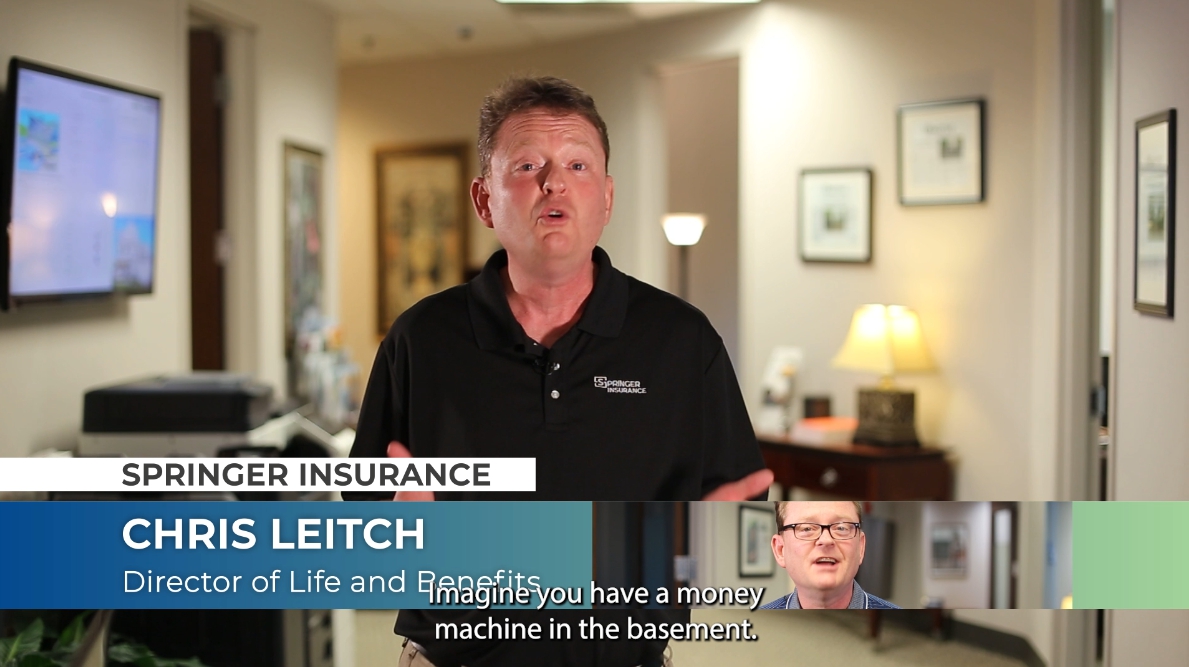
Imagine you have a money machine in the basement. If that machine stopped working, would you fix it? What if it took you a month or two to finally get it up and running again. By this point, you are a couple of months behind on your bills. Now imagine the money machine is you. If you have down time due to a sickness or injury you may want to consider getting disability insurance to protect your ability to earn a living. Most companies give 1 or 2 weeks for sick time, but after that you're on your own. If you want to know more about this, Give us a call.
Watch Lesson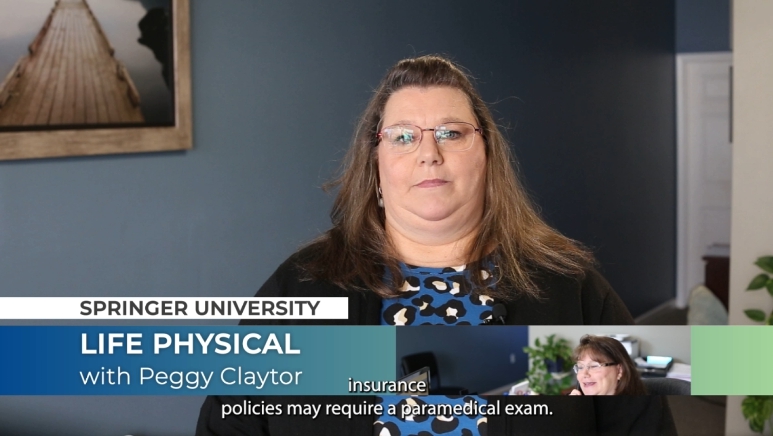
Some life insurance policies may require a Paramedical Exam. This is an in-person examination by a health professional that will draw blood and urine, take your height and weight and ask a variety of health questions. It is usually a quick process and will enable the insurance company to accurately underwriter you.
Watch Lesson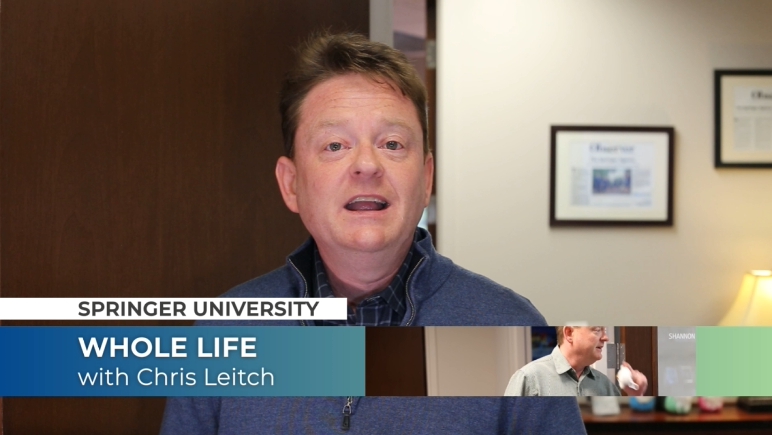
A whole life insurance policy is designed to cover the insured's entire life. As long as you pay the premiums the policy will be in force up until you pass away, or the policy matures, usually at age 95-120. This policy can build cash value that the policyowner may access via loan or surrender.
Watch Lesson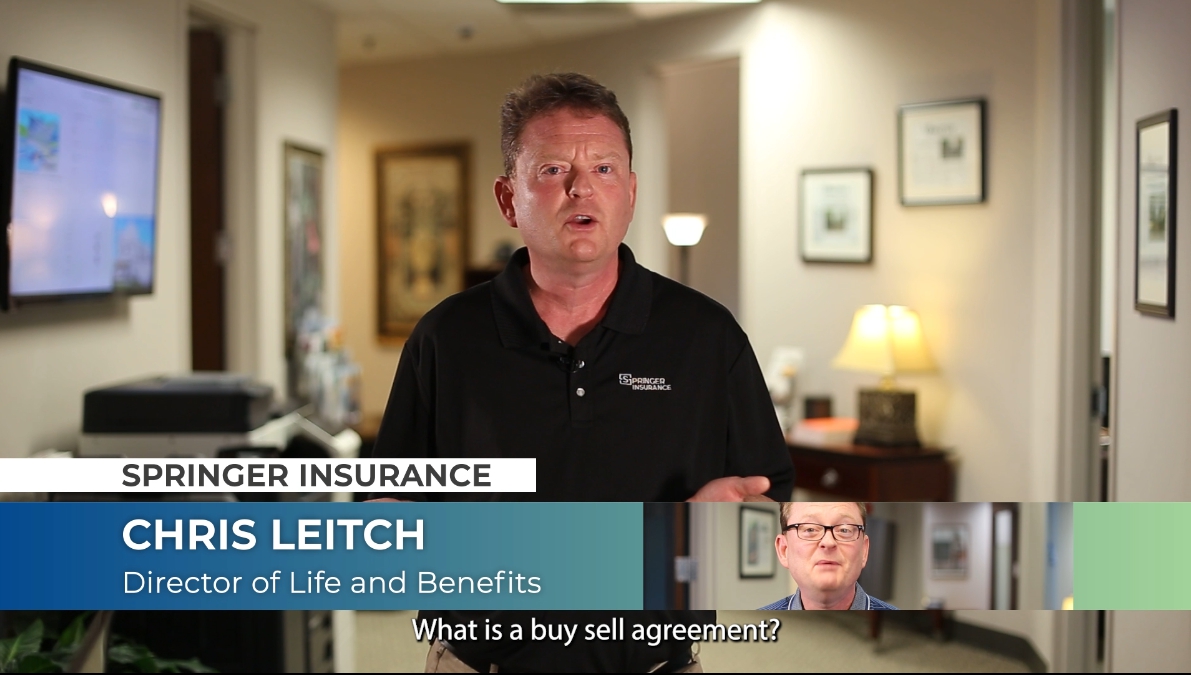
A?buy?and sell agreement is a legally binding contract that stipulates how a partner's share of a business may be reassigned if that partner dies or otherwise leaves the business. Most often, the buy and sell agreement will spell out how the shares need to be sold to the remaining partners or to the partnership. This can either be funded by the business or by a life insurance policy.
Watch Lesson
What if you want the coverage to last your whole life instead of just a part of it? Does that mean you have to go back to square one and get a new policy? Not necessarily. Term life insurance policies typically offer an option to convert them into permanent life insurance policies. Making the switch is easy, but deciding whether or not it's the right move is not always that simple.
Watch Lesson
If an insured passes away the money that is paid out to the beneficiary is called a Death Benefit. This amount is usually the amount that was purchased when it was first taken out. This amount could be more or less depending on whether or not any loans or dividends were taken or received.
Watch Lesson
Did you know you can buy a life insurance policy on the life of someone else? If you have an insurable interest in someone, you can ensure their life with their permission, of course. For example, you may purchase and own a policy on your spouse because if they were to pass away, your life might be drastically different financially. Business hours can also purchase life insurance on important employees. This is called key person policy.
Watch Lesson

Chris Leitch with Springer Insurance explains the difference between Term and Permanant Life insurance in Springer University Course LIFE 207
Watch Lesson
These companies will also have traditional types of life insurance where there is no wait for sickness death. But if their customers don't qualify based on their health or lifestyle, they can always sign up for a graded death benefit. You can't be turned down, and you've heard that on the TV for a guaranteed issue life insurance policy. So it can be a good fit if you're in very poor health and you wouldn't qualify for any other life insurance. But be aware of how these things work.
Watch Lesson
The death benefit of a decreasing term policy with decrease over the life of the policy. However, your payments will stay the same. These types of policies may be a good idea to cover a mortgage or other loan.
Watch Lesson
It is so important to name a beneficiary to receive the death benefit of a life insurance policy. If you don't, the money will go back to your estate and the people and entities you owe money to can collect before it’s passed down to the heirs. It's best not to leave the benefit to a minor because they won’t be able to directly collect until after their 18 th birthday. Instead you can name someone you 'trust' to manage the children’s affairs. If you don't know who your beneficiaries are or they are younger than 18, you might want to do a little housekeeping to make sure you are 'good to go'.
Watch Lesson
Key?person insurance is a life insurance policy that a company buys on the life of a top executive or another critical individual. This type of insurance is needed if that person's death would be devastating to the future of the company. These policies are often times placed on the owners of the business.
Watch Lesson
Disability insurance pays you a portion of your income if you are too sick or injured to work. Some employers will offer this in addition to Paid Time off to help pad or supplement an employee’s salary. This coverage can provide you and your loved ones with more financial protection to pay bills and cover everyday expenses. 
Watch Lesson
If you miss a payment on your life policy for some reason, the insurance company will give you extra time to pay your bills to keep the integrity of your policy. Once the grace period is over, then you're in a reinstatement phase of your policy, and rules apply to getting your coverage back. You might not even be able to get it back, so go take a look at the reinstatement video that we just did after this, or give us a call and we can go over it. Can't wait to hear from you.
Watch Lesson
Buying life insurance outside of work can be a great idea.
Watch Lesson
Reinstatement is the restoration of a person or thing to a former position regarding insurance. Reinstatement allows a previously terminated policy to resume effective coverage. In the case of nonpayment, the insurer may require evidence of eligibility, such as an updated medical examination for life insurance and a full payment of outstanding premiums. The insurer would be advised not to let nonpayment happen after having their policy reinstated. Sometimes you might miss a payment on your life insurance policy switching banks, getting lost in the mail you know, bills getting lost in the mail or financial hardships are usually the cause of this situation. A reinstatement usually require an insurer to answer health questions to see if the life insurance company will even take them back. So when the insurance company sends you this missed payment on your policy, or it's going to lapse letter, you need to take note and get that money to them.
Watch Lesson
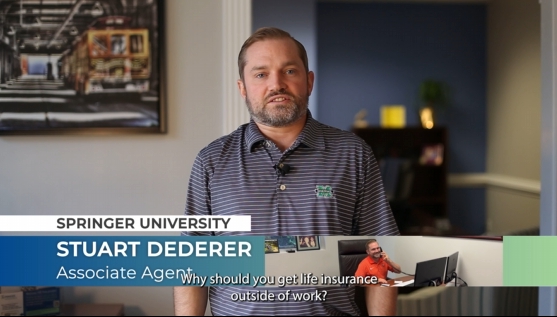
Its portable - meaning it stays with you if you change jobs. Higher Coverage amounts may be available for individual policies. You can customize the policy with riders, such as for your spouse or children.
Watch Lesson
Leaving your estate to someone will most likely end up in a taxable event, reducing the estate value and putting a burden on your heirs. Life insurance death benefits
Watch Lesson